

How to Empower Your Inner Self Through Self-Communication
Your inner voice acts as the steering wheel of your life. Dare 2 Dream.
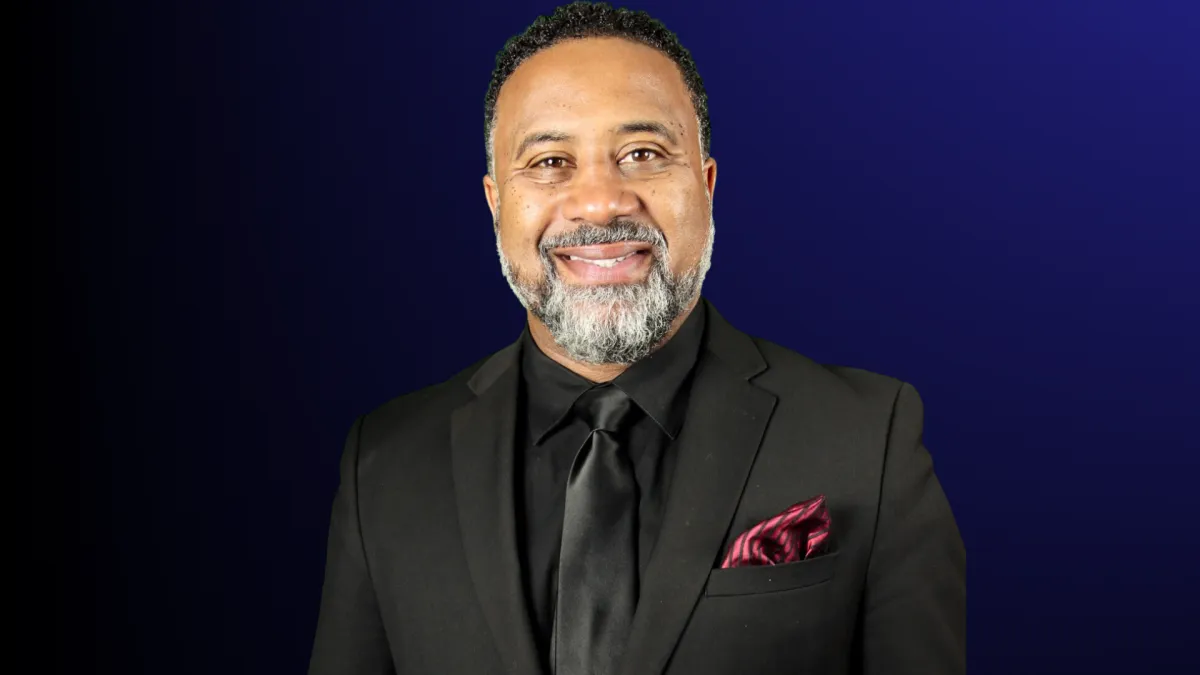
"Dare to Dream: Living Life Fearlessly," Dr. James E. Owens. However, maximizing that potential requires learning how to handle the "noise" of internal opposition: intrapersonal communication.
The Science Behind Self-Communication
Intrapersonal communication is the structural framework of your psychological well-being. Medical journals and psychological studies consistently demonstrate that altering your internal narrative directly rewires how your brain processes fear, stress, and capabilities.
A landmark study in the peer-reviewed journal article published by Schertz, Orvell et al. (2025) through Scientific Reports highlights how deeply embedded this practice is, noting that people utilize internal self-talk 61% of the time in daily situations. The study proved that intentional, structural shifts in self-talk directly predict a sharp increase in positive affect and emotional preparedness.
The Shift from Immersed to Distanced Self-Talk
When facing a high-stakes challenge, most individuals revert to immersed self-talk (e.g., "Why am I so nervous? I can't handle this"). Research shared in an article published by Medical News Today reveals that switching to distanced self-talk—addressing yourself by your own name or in the third person (e.g., "You can do this, Jon," or "Jon is prepared for this challenge")—acts as an emotional circuit breaker. This subtle conversational shift allows the brain to distance itself from distressing feelings, radically reducing cortisol levels and mitigating performance anxiety.
Bridging Science with the "Dare to Dream" Philosophy
This scientific reality directly mirrors the core spiritual and mental strategies outlined by Dr. James E. Owens. In Dare to Dream, Dr. Owens poses crucial questions to readers confronting their inner barriers:
"What does it mean to live fearlessly? Does it mean that you are never afraid? Does it mean that you will never encounter opposition and challenges? The answer to all of these questions is no."
Dr. Owens explains that when you boldly pursue your purpose, your fears will actually clamor louder for your attention than ever before. The secret to overcoming this does not lie in hiding from the noise, but in changing your internal response to it. God gave human beings the unique power to visualize a preferred future and convert that vision into reality. If your internal communication is saturated with hesitation and self-doubt, you actively block the realization of your gifts.
Psychological Case Studies in Self-Empowerment
To understand how shifting your self-communication unlocks massive real-world results, consider these two distinct areas of research:
1. The Sports Psychology Paradigm (Strength vs. Precision)
A widely cited case study framework in sports psychology, published via the National Institutes of Health PMC, evaluated the operational impacts of instructional vs. motivational self-talk.
Instructional dialogue ("Keep your eyes on the target, step forward") was found to directly optimize neural motor pathways, increasing technical precision.
Motivational dialogue ("I am strong, I have the stamina") immediately enhanced physiological endurance and raw physical output.
The Takeaway: To build an executive leadership mindset, you must treat your self-communication like an elite coach would—offering clear guidance and unconditional motivation.
2. Emotional Regulation and Social Savvy
Frontiers in Psychology. These individuals do not just feel better internally; they are statistically proven to be more flexible, adaptable, and highly innovative when navigating complex risk environments.
Actionable Steps to Master Your Self-Communication
To fully align your internal dialogue with the breakthrough principles taught by the Dare to Dream Leadership Consulting Firm, implement these three daily protocols:
Audit Your Internal Vocabulary: Replace limiting phrases like "I hope I don't fail" with purposeful, vision-aligned declarations like "I am learning, growing, and fully capable of executing this task."
Deploy Distanced Self-Talk Under Pressure: Instruct yourself objectively to lower your physiological stress response.
Write to Reframe Your Mindset: Write down your current anxieties and, underneath them, intentionally rewrite the narrative from the perspective of an objective, supportive mentor.
Final Thoughts: Decide to Act
Your personal growth does not begin when everything becomes perfect. It begins the exact moment you decide to invest deeply in who you are becoming. Stop settling for an internal narrative that sits safely beneath your true potential.
Take control of your inner conversations today. Dare to dream, fearlessly rewrite your inner dialogue, and step boldly into your purpose!
Dr. Owens
